

If you’ve noticed your energy bills creeping up or your morning shower turning cold without warning you’re not alone. Across Caroline Springs, Ravenhall, Tarneit, and surrounding suburbs, homeowners are waking up to a simple truth: ageing hot water systems are silently draining their wallets.
In 2026, the shift toward energy-efficient hot water systems isn’t just a trend, it’s a smart financial and environmental decision. With rising electricity costs in Victoria and improved rebate programs through the Victorian Energy Upgrades scheme, there’s never been a better time to upgrade.
Whether you need a hot water system repair, a full replacement, or you’re simply curious about your options, this guide walks you through everything local homeowners need to know from choosing the right system to finding a qualified plumber near you.
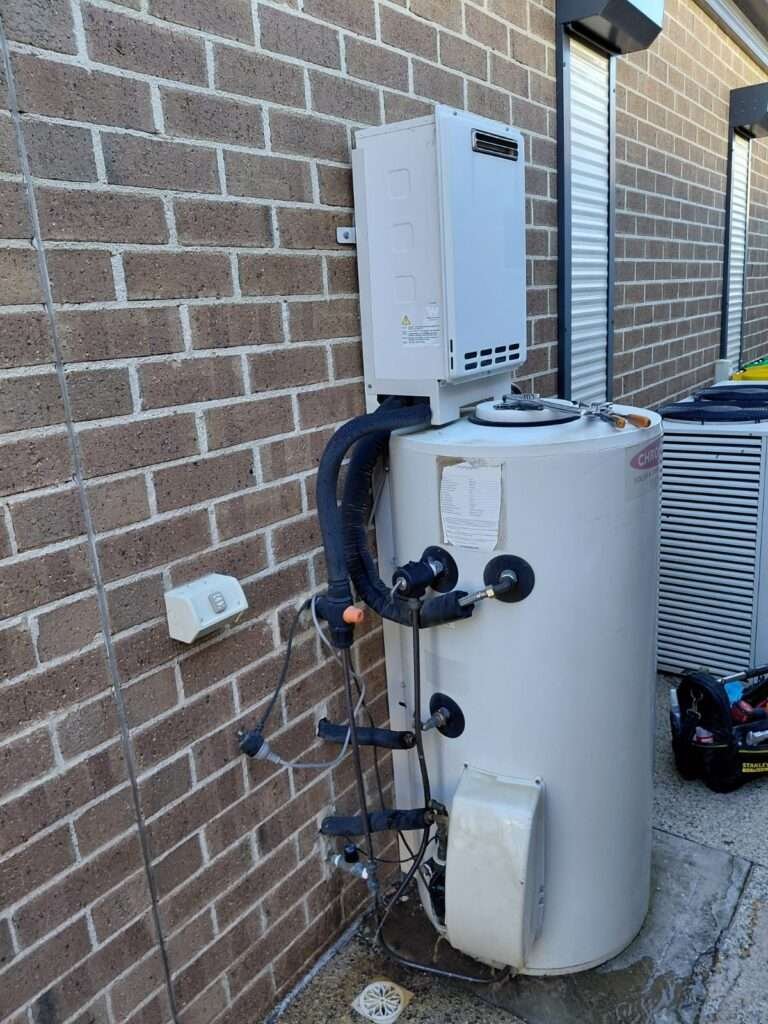
What Is an Energy-Efficient Hot Water System?
An energy-efficient hot water system is a unit designed to heat water using significantly less energy than traditional electric storage systems. These include:
- Heat pump hot water systems: – Use ambient air to heat water, consuming up to 70% less electricity than standard electric systems.
- Solar hot water systems: – Harness solar energy with electric or gas boosters for cloudy days.
- Gas continuous flow (instantaneous) systems: – Heat water on demand with no storage losses.
- High-efficiency electric storage systems: – Modern units with improved insulation and smart controls.
For most Caroline Springs households, a heat pump or solar system offers the best long-term savings.
Why Caroline Springs Homeowners Are Making the Switch in 2026
1. Skyrocketing Energy Bills
Electricity prices in Victoria have increased significantly over recent years. A traditional electric storage hot water system running on peak tariffs can cost a household over $700–$900 per year to operate. Heat pump systems can cut that cost to under $300 annually.
2. Victorian Government Rebates Are Available Now
Under the Victorian Energy Upgrades (VEU) program, eligible households in Caroline Springs, Ravenhall, and Tarneit can access point-of-sale discounts on qualifying heat pump hot water systems. This can reduce upfront installation costs by $300–$1,000 or more depending on your current system.
3. Ageing Systems Are Failing More Frequently
Most electric hot water systems have a lifespan of 8–12 years. If your system is older, you’re likely spending more on hot water system repairs than it’s worth. A failing element, leaking tank, or pressure relief valve issue are all warning signs that a replacement is overdue.
4. New Homes in the Area Demand Better Systems
With ongoing residential development across Ravenhall, Tarneit, and Caroline Springs, builders and developers are specifying heat pumps and solar systems as standard — partly because new homes must meet the 7-star NatHERS energy rating under current building codes.
Signs You Need Hot Water System Repair or Replacement
Knowing when to call a plumber can save you from a cold shower at the worst possible time. Here are the most common warning signs:
- No hot water or inconsistent temperature: Could indicate a faulty heating element or thermostat
- Discoloured or rusty water: A sign of internal tank corrosion
- Unusual noises (popping, rumbling): Sediment build-up inside the tank
- Water pooling near the unit: Could be a leaking tank or pressure valve failure
- System older than 10 years: Even without symptoms, efficiency is likely severely reduced
If you’re experiencing any of these issues, contact a licensed hot water repair plumber in Caroline Springs before the problem escalates.
Hot Water System Repair vs Replacement: How to Decide
This is one of the most common questions local plumbers receive, and the answer depends on a few key factors.
When to Repair
- The system is less than 5 years old
- The fault is minor (e.g., a thermostat or element replacement)
- The tank itself is not corroded or leaking
- Repair cost is less than 30–40% of a new unit’s cost
When to Replace
- The system is 10+ years old
- The tank is leaking or badly corroded
- Repairs have been frequent or ongoing
- You want to take advantage of government rebates
- Your energy bills have been unusually high
A qualified plumber near you in Caroline Springs can inspect your current system and give you an honest recommendation to repair or replace within minutes.
The Installation Process: What to Expect
Step 1: System Assessment
A licensed plumber inspects your current setup, water pressure, and available space or roof orientation (for solar).
Step 2: Choosing the Right System
Based on your home, household size, energy goals, and budget, your plumber recommends the best-fit system.
Step 3: Rebate Check
If you’re eligible for VEU rebates, your accredited installer will process the discount at the point of sale no paperwork for you.
Step 4: Removal and Installation
The old system is disconnected and safely removed. The new unit is installed, tested, and commissioned typically within a few hours for a standard replacement.
Step 5: Compliance Certificate
Your plumber issues a compliance certificate, which is required for insurance and future property sales.
Finding a Reliable Plumber Near You in Caroline Springs and Surrounding Suburbs
When searching for a plumber near me for hot water repairs or installation in Caroline Springs, Ravenhall, or Tarneit, here’s what to look for:
- Licensed and insured: Always check the plumber holds a current Victorian plumbing licence (searchable via VBA’s public register)
- Experience with hot water systems: Not all plumbers specialise in hot water; ask specifically
- Accredited VEU installer: Required for rebate eligibility
- Transparent pricing: A reputable plumber will give you a written quote before any work begins
- Local knowledge: A plumber familiar with the Caroline Springs area understands local water pressure conditions and council requirements
Avoid unlicensed operators: Hot water system installation involves plumbing services. Only a licensed plumber should carry out this work in Victoria.
Suburbs We Service: Local Hot Water Specialists
Our team provides hot water system repair, installation, and replacement across:
- Caroline Springs: Including Caroline Springs Town Centre precinct and newer estates
- Ravenhall: Residential and light industrial properties
- Tarneit: Including all new estates and established homes
- Burnside: Including Burnside Heights
- Hillside: Including older properties with ageing systems
- Sydenham: Hot water repairs and same-day service available
- Keilor Downs and surrounding areas
We offer same-day hot water system repair for urgent situations across all these areas.
Conclusion
The shift to energy-efficient hot water systems is one of the most impactful upgrades a Caroline Springs homeowner can make in 2026. With rising energy costs, available government rebates, and modern heat pump technology performing better than ever, the case for upgrading is clear.
Whether you need an urgent hot water system repair, or you’re ready to plan a full replacement with a heat pump or solar unit, connecting with a licensed local plumber is your first step.
Don’t wait for your hot water to fail completely; a proactive upgrade saves money, avoids stress, and keeps your home comfortable year-round.
Ready to upgrade or need a repair? Contact a licensed hot water plumber in Caroline Springs today.
Frequently Asked Questions (FAQ)
Q1: How long does a hot water system installation take in Caroline Springs?
A: A standard replacement hot water system installation typically takes 2–4 hours for an electric or heat pump unit. Solar installations may take a full day depending on roof access and system complexity.
Q2: What is the most energy-efficient hot water system for a family of four?
A: A heat pump hot water system is generally the best choice for a typical family of four in Caroline Springs. It uses up to 70% less electricity than a standard electric storage unit and works effectively in Melbourne’s climate year-round.
Q3: Can I get a government rebate on a new hot water system in Victoria?
A: Yes. Through the Victorian Energy Upgrades (VEU) program, eligible households can receive point-of-sale discounts on qualifying heat pumps and solar hot water systems. The rebate amount varies based on your current system and postcode.
Q4: How do I know if my hot water system needs repair or replacement?
A: If your system is under 5 years old and has a minor fault (e.g., faulty element or thermostat), repair is usually cost-effective. If it’s over 10 years old, leaking, or you’ve had repeated repairs, replacement is typically the smarter long-term investment.
Q5: How much does it cost to repair a hot water system in Caroline Springs?
A: Hot water system repairs in Caroline Springs typically range from $150–$500 depending on the fault. Element replacements are at the lower end; thermostat or valve repairs vary. A plumber will provide a quote after assessing the fault.
Q6: Is a heat pump hot water system suitable for Melbourne’s climate?
A: Yes. Modern heat pump hot water systems are designed to operate efficiently in ambient temperatures as low as -5°C, making them well-suited to Melbourne’s climate. They work effectively year-round across Caroline Springs and surrounding suburbs.
Q7: What size hot water system do I need?
A: As a general guide: 1–2 people (80–125L), 3–4 people (160–250L), 5+ people (315–400L). Your plumber can recommend the right capacity based on your household’s usage patterns.
Q8: Do I need a permit for hot water system installation in Victoria?
A: All hot water system installations require a licensed plumber to carry out the work and issue a compliance certificate. For electric systems, a licensed electrician may also be required for the electrical connection. Your plumber will handle all compliance requirements.